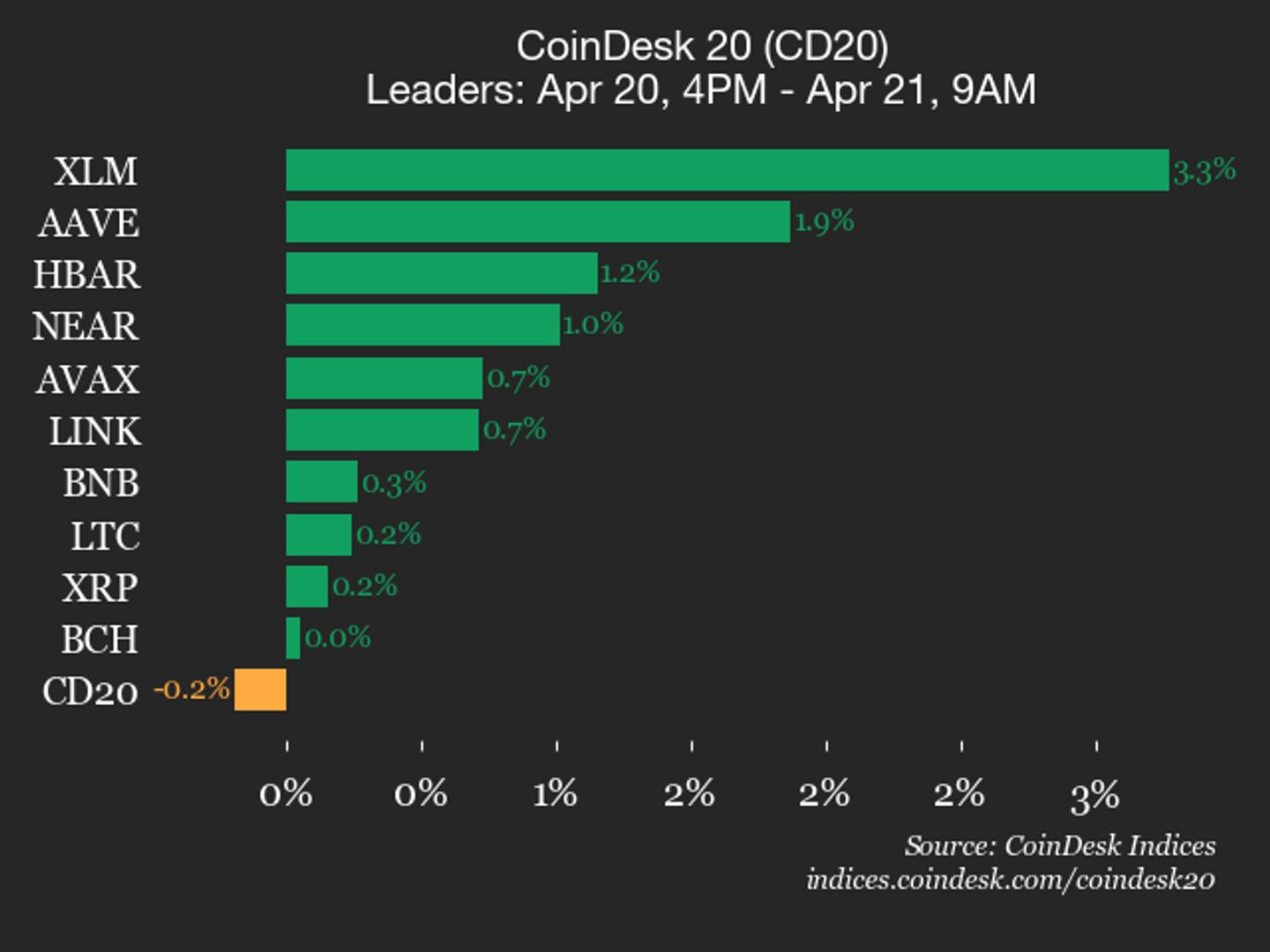
When major crypto indices move lower but select assets outperform, it signals an important market dynamic that savvy traders shouldn't ignore. Understanding why certain tokens gain while the broader market declines is essential for building resilient trading strategies.
Understanding Divergence in Crypto Markets
Market divergence occurs when individual assets decouple from index performance. This happens because:
- Different cryptocurrencies serve distinct use cases
- Institutional and retail investor flows vary by asset class
- DeFi protocols and payment networks respond to separate catalysts
- Automated trading algorithms may isolate outperforming sectors
When Stellar (XLM) and Aave (AAVE) climb while the broader index retreats, it reveals selective sector strength rather than broad market confidence.
What This Means for DeFi and Lending Protocols
Aave's outperformance is particularly noteworthy for DeFi traders. AAVE strength often precedes broader DeFi adoption cycles, suggesting:
- Renewed institutional interest in decentralized lending
- Growing confidence in protocol governance and security
- Potential inflows into yield-bearing strategies
- Technical breakouts that AI-driven trading bots may have detected early
XLM's Position in Payment Networks
Stellar's 3.3% gain reflects its niche as a cross-border payment solution. This suggests:
- Emerging market interest in low-cost transactions
- Potential partnerships or network expansions
- Value accumulation in utility-focused tokens during downturns
Actionable Strategies for Traders
1. Monitor sector performance separately from index movement Don't rely solely on broad market indices. Track DeFi tokens, payment networks, and staking protocols independently.
2. Use divergence as a leading indicator When specific sectors outperform during downturns, they often signal the next market rotation phase.
3. Automate selective monitoring AI trading tools can efficiently track performance divergence across dozens of tokens, identifying opportunities faster than manual analysis.
4. Build correlation-aware portfolios Include assets with different performance drivers. When indices fall, uncorrelated assets provide portfolio stability.
The Bigger Picture
Crypto markets are increasingly sophisticated. Selective outperformance isn't random—it reflects real developments in protocol usage, adoption, or technical strength. Traders who understand why certain assets decouple from indices gain a competitive edge.
The next time you see index weakness paired with individual token gains, investigate the underlying catalysts. That divergence often contains your next trading opportunity.