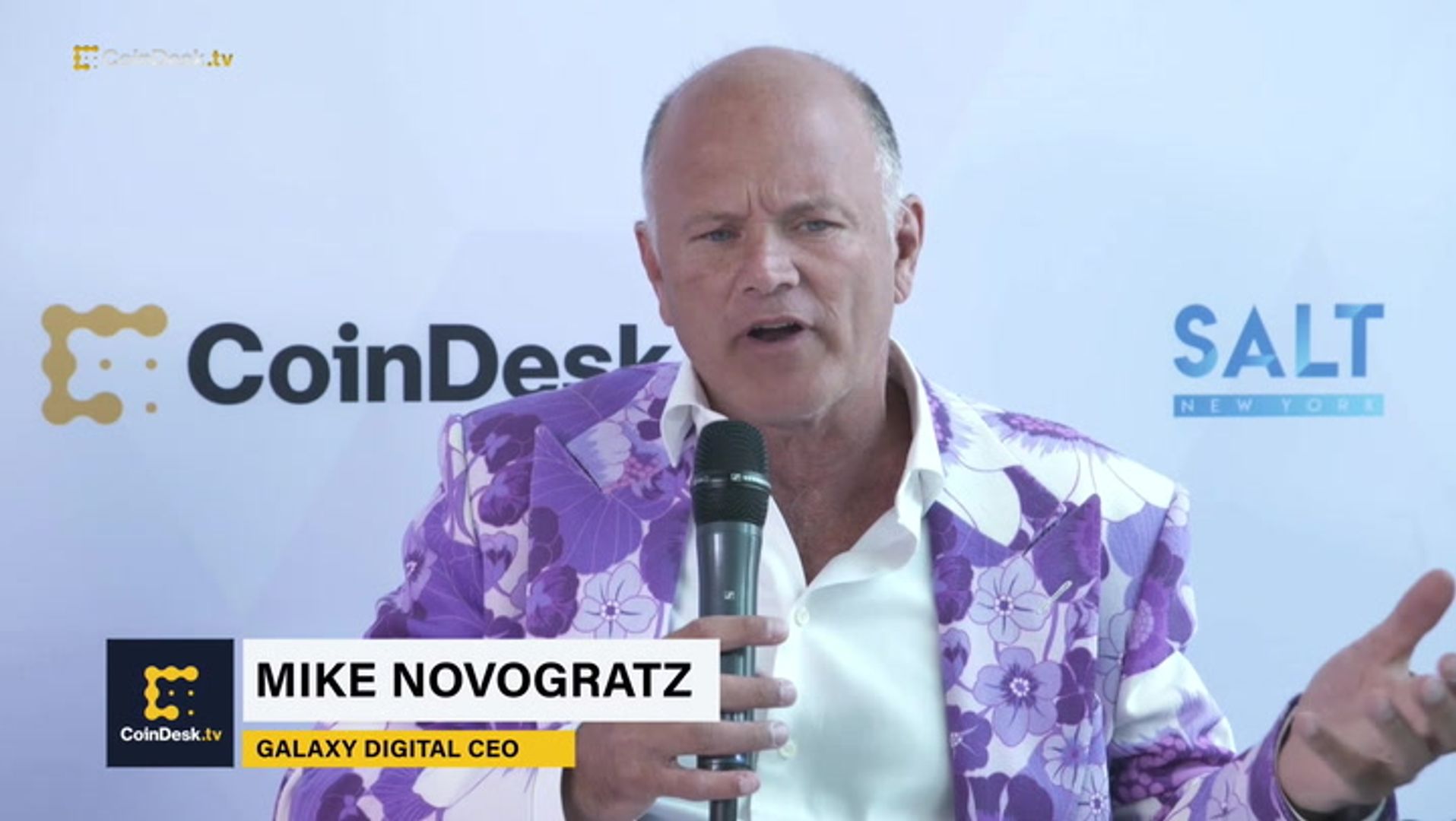
When a major cryptocurrency financial services firm experiences unauthorized access to its systems, it sends ripples through the industry. However, the way such incidents are handled—and contained—reveals critical insights about modern crypto infrastructure and risk management that traders and investors should understand.
Understanding Testnet vs. Mainnet Security
The distinction between research and development environments and production systems is foundational to cybersecurity strategy. A testnet hack, while still concerning, differs fundamentally from a mainnet breach:
- Testnets use dummy data and simulated assets with zero real value
- Production systems directly manage client funds and sensitive information
- Segregated workspaces limit lateral movement and contamination risk
This separation prevented what could have been catastrophic from becoming merely a development headache.
What This Means for Automated Trading Systems
For traders relying on AI-powered trading tools and algorithmic strategies through institutional platforms, this incident underscores an important reality: security architecture matters more than headline incidents. The fact that trading systems remained completely unaffected suggests proper network segmentation and access controls were in place.
Key takeaways for strategy deployment:
- Verify platform security compartmentalization before trusting algorithms with capital
- Request documentation on testnet isolation from production environments
- Understand how your broker separates R&D activity from live trading infrastructure
DeFi and Self-Custody Implications
While custodial platforms provide convenience, incidents like these reinforce why self-custody remains relevant for serious traders. Non-custodial solutions eliminate the intermediary attack surface entirely, though they require technical competence.
The reality: centralized platforms will always be targets. The question isn't whether breaches happen—it's whether they're contained. This incident demonstrates that containment is possible with proper architecture.
Practical Risk Management Steps
Regardless of where you trade:
- Diversify custody: Split holdings between custodial platforms and self-custody wallets
- Monitor platform security announcements for architecture details, not just incident headlines
- Implement withdrawal delays on automated strategies to catch suspicious activity
- Use hardware wallets for holdings exceeding your comfortable loss threshold
The Bigger Picture
This incident actually demonstrates institutional-grade security practices working as intended. The fact that client funds and information remained protected despite unauthorized access shows that modern fintech infrastructure can achieve meaningful resilience when properly designed.
For traders building strategies on these platforms, that's reassuring. It suggests the underlying infrastructure supporting your automated trading and DeFi interactions has real safeguards in place. But it shouldn't eliminate your personal security discipline.