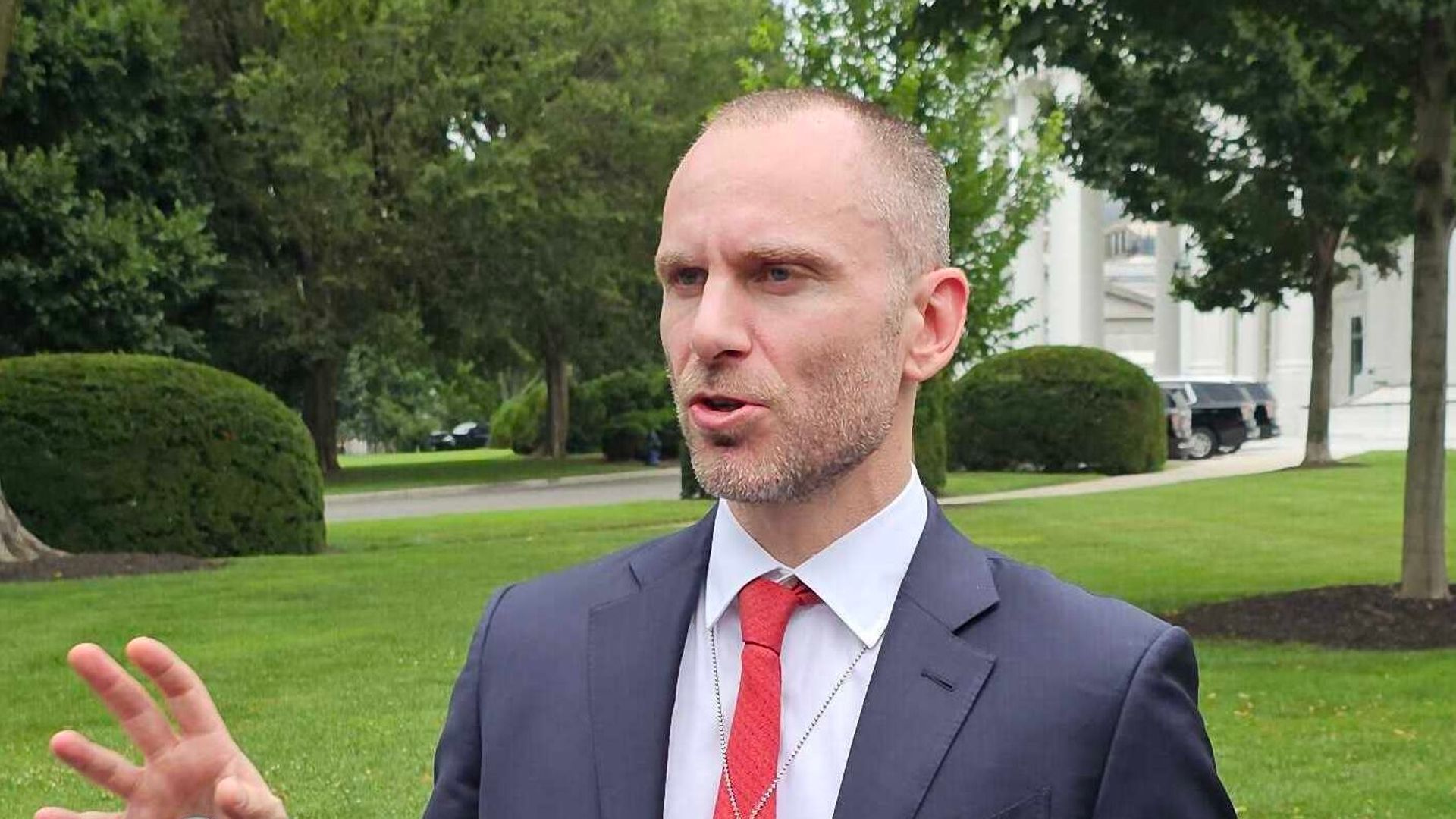
The crypto industry has long celebrated its promise of decentralization and freedom from traditional gatekeepers. Yet recent events remind us that fund managers and institutional leaders remain very much human, subject to personal struggles that can impact their professional judgment and, by extension, trader investments.
Understanding Reputational Risk in Crypto
When high-profile crypto fund managers face personal or legal scrutiny, the ripple effects extend far beyond headlines. Trader confidence erodes, institutional partnerships pause, and assets under management (AUM) often decline. This creates a critical lesson: diversification isn't just about spreading investments across assets—it's about reducing concentration risk tied to individual managers and firms.
Key Insights for Automated Trading Strategies
While tragic personal events shouldn't define investment decisions, algorithmic traders should monitor institutional leadership changes and reputational factors:
- Event-driven trading algorithms may need to incorporate reputational scoring systems
- Correlation analysis between fund manager stability and fund performance metrics
- Sentiment analysis tools tracking news cycles around crypto fund leadership
Practical Risk Management Steps
For retail and institutional traders alike:
- Review fund manager backgrounds and governance structures before allocating capital
- Set automated alerts for management changes or regulatory investigations affecting your holdings
- Consider spreading exposure across multiple fund managers rather than concentrating in single operators
- Audit whether your DeFi protocols have adequate decentralization to avoid single-point-of-failure risks
The Bigger Picture
The crypto space has positioned itself as antithetical to traditional finance's opaque institutional problems. Yet personal crises affecting fund managers demonstrate that no investment vehicle—centralized or decentralized—eliminates human risk entirely.
This doesn't mean abandoning professional fund management. Rather, it highlights why due diligence on people matters as much as due diligence on technology. Healthy institutions build redundancy into leadership, maintain transparent communication during crises, and establish protocols that function independently of any single individual.
Moving Forward
As the crypto industry matures, sophisticated traders increasingly recognize that governance quality and leadership stability are features, not bugs. The most resilient crypto investments balance technological innovation with institutional maturity and human accountability.
Traders should use incidents like these as catalysts to strengthen their own risk frameworks—not out of cynicism, but pragmatism.