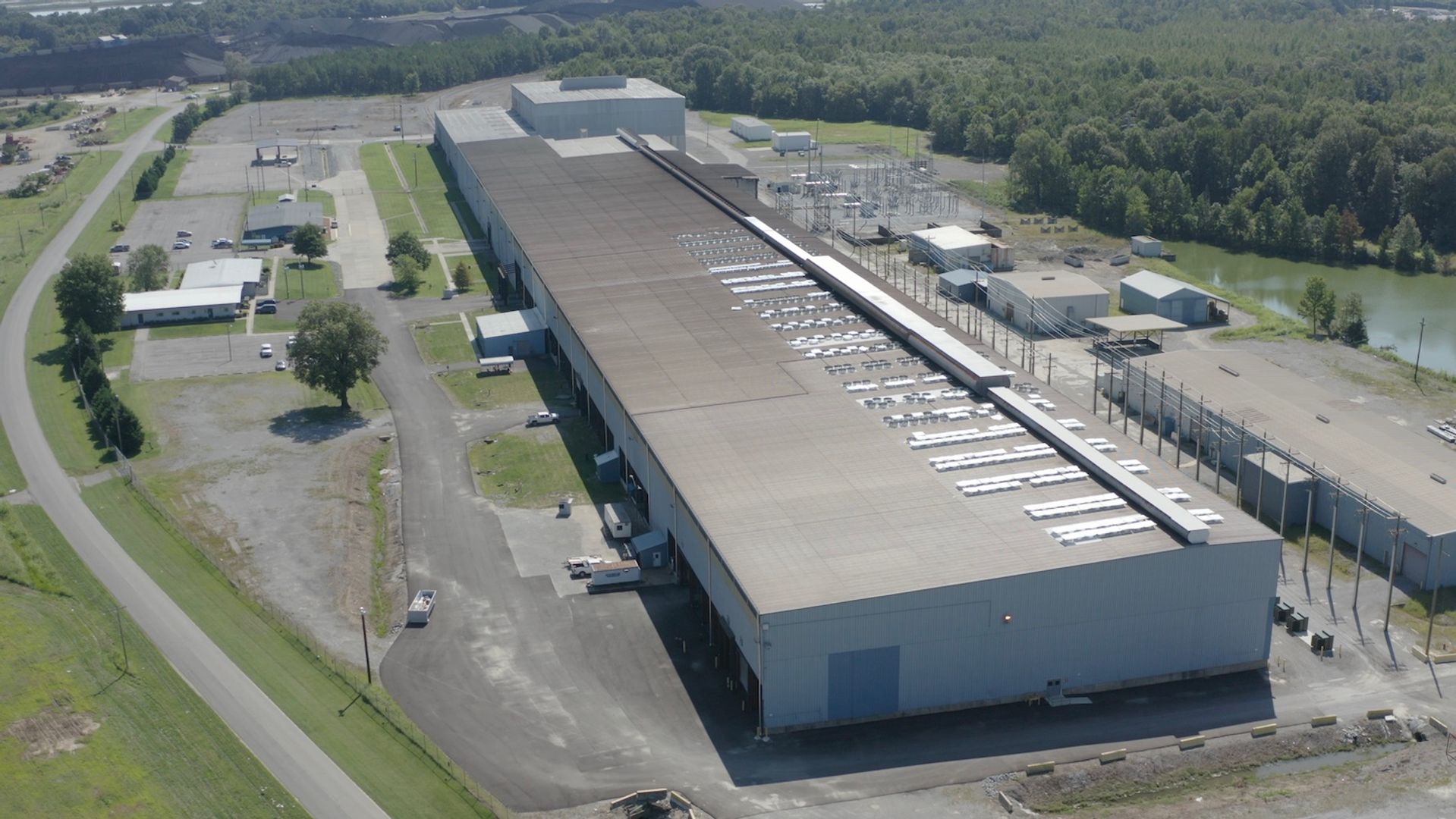
The convergence of cryptocurrency infrastructure and artificial intelligence is reshaping how institutional capital flows through digital asset markets. Core Scientific's aggressive $3.3 billion bond issuance represents a watershed moment—one that crypto traders and DeFi developers should monitor closely.
The Infrastructure Shift: Mining to AI Data Centers
Core Scientific's pivot from traditional cryptocurrency mining to AI data center operations signals a fundamental market transition. The company is constructing six facilities leased to CoreWeave under a 12-year agreement, with projected revenue hitting $10 billion over the contract period. This isn't just a business restructuring; it's a capital reallocation that reveals where institutional investors see genuine value.
Why This Matters for Crypto Traders
Energy economics are changing. When Bitcoin mining operations convert to AI infrastructure, electricity costs remain constant, but revenue potential multiplies. This efficiency improvement ripples through:
- Mining stock valuations: Companies repositioning toward AI face different risk profiles
- Energy markets: Competition for power resources between crypto and AI workloads intensifies
- Hardware manufacturers: GPU demand sustainability becomes a crucial metric
Implications for Automated Trading Strategies
Trade algorithms relying on traditional mining metrics need recalibration. Consider these adjustments:
- Monitor infrastructure financing rounds as leading indicators of sector health
- Track energy consumption patterns to predict market volatility during seasonal demand shifts
- Watch GPU allocation trends between crypto mining and AI workloads
The DeFi Connection
AI infrastructure buildout creates new arbitrage opportunities. As computational capacity expands, on-chain oracle accuracy improves, potentially enabling more sophisticated DeFi protocols. Traders should assess which blockchain projects benefit from enhanced data feeds and reduced latency.
Long-Term Strategic Insight
Core Scientific's $10 billion revenue projection over 12 years suggests institutional confidence in sustained AI compute demand—outpacing cryptocurrency volatility. This 12-year certainty contrasts sharply with crypto market unpredictability, attracting traditional bond investors and legitimizing digital infrastructure.
For active traders, the takeaway is clear: diversification beyond pure crypto exposure becomes prudent. Infrastructure plays that bridge AI and blockchain—like GPU manufacturers or data center operators—may offer stability without abandoning tech sector upside.
The next wave of crypto wealth likely flows through those who recognize AI infrastructure isn't a distraction from cryptocurrency—it's its institutional evolution.