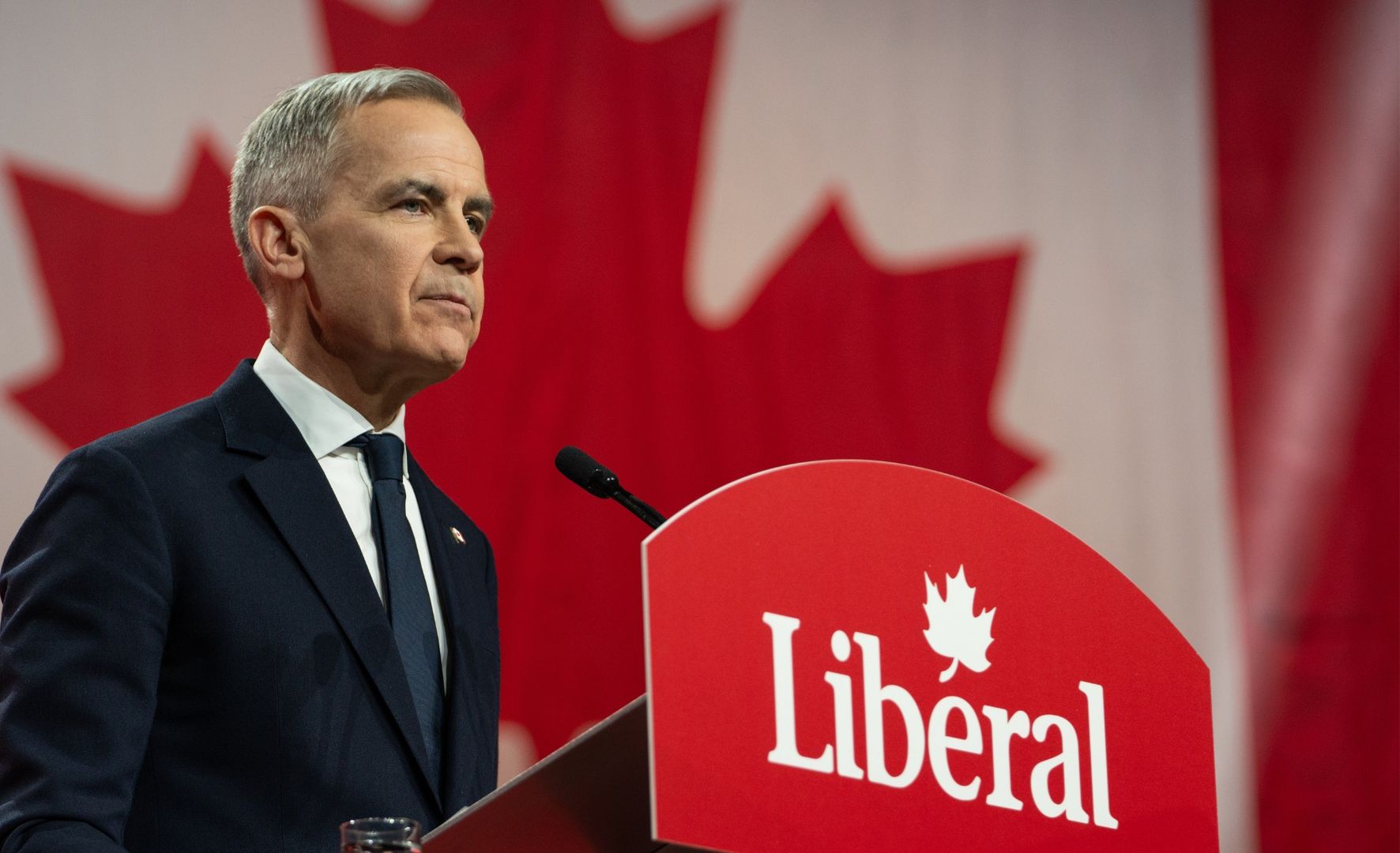
Canada's regulatory landscape is tightening around cryptocurrency, and traders should pay attention. Bill C-25 represents a watershed moment for how governments view digital assets in political fundraising—signaling broader compliance expectations that will ripple through crypto markets and automated trading strategies.
Why Electoral Bans Matter for Crypto Markets
When governments restrict crypto use in one sector, it rarely stops there. Electoral integrity concerns become justification for wider regulatory frameworks. Here's what savvy traders need to understand:
- Regulatory precedent spreads quickly across jurisdictions
- Canadian restrictions often influence US and EU policy discussions
- Market sentiment shifts when legitimacy questions arise
- Compliance costs increase for platforms operating in multiple regions
The Real Impact on DeFi and Trading Automation
Electoral donation bans expose a fundamental regulatory challenge: governments struggle to track and control decentralized transactions. This creates three practical implications for traders:
Liquidity and Volatility
As restrictions compound, regulatory-compliant exchanges face higher compliance burdens. This can reduce available liquidity on Canadian trading pairs and increase slippage for automated trading algorithms that rely on predictable order book depth.
AML/KYC Intensification
Expect enhanced Know-Your-Customer requirements on platforms serving Canadian users. AI-powered trading tools that execute high-frequency strategies may face additional scrutiny, particularly if algorithms adjust parameters based on regulatory news.
Geographic Trading Considerations
Traders using multi-region strategies should reassess their Canadian exposure. Jurisdictional arbitrage opportunities may shift as compliance costs diverge between regulated and less-regulated exchanges.
Strategic Takeaways for 2025
The convergence of electoral integrity concerns with crypto regulation suggests three trends:
- Stablecoin regulations will tighten—governments want traceable funding flows
- Self-regulatory organizations (SROs) will gain influence—industry compliance becomes government substitute
- Privacy-focused assets face delisting pressure—expect continued regulatory scrutiny of monero and similar tokens
For traders leveraging automated strategies, the message is clear: build flexibility into your infrastructure. Regulatory changes happen faster than most algorithmic adjustments. Diversify across compliant exchanges, monitor policy developments in multiple jurisdictions, and maintain manual override capabilities when automated systems face changing constraints.
Canada's move isn't about elections—it's about establishing legitimacy frameworks that will define crypto's role in society for the next decade.