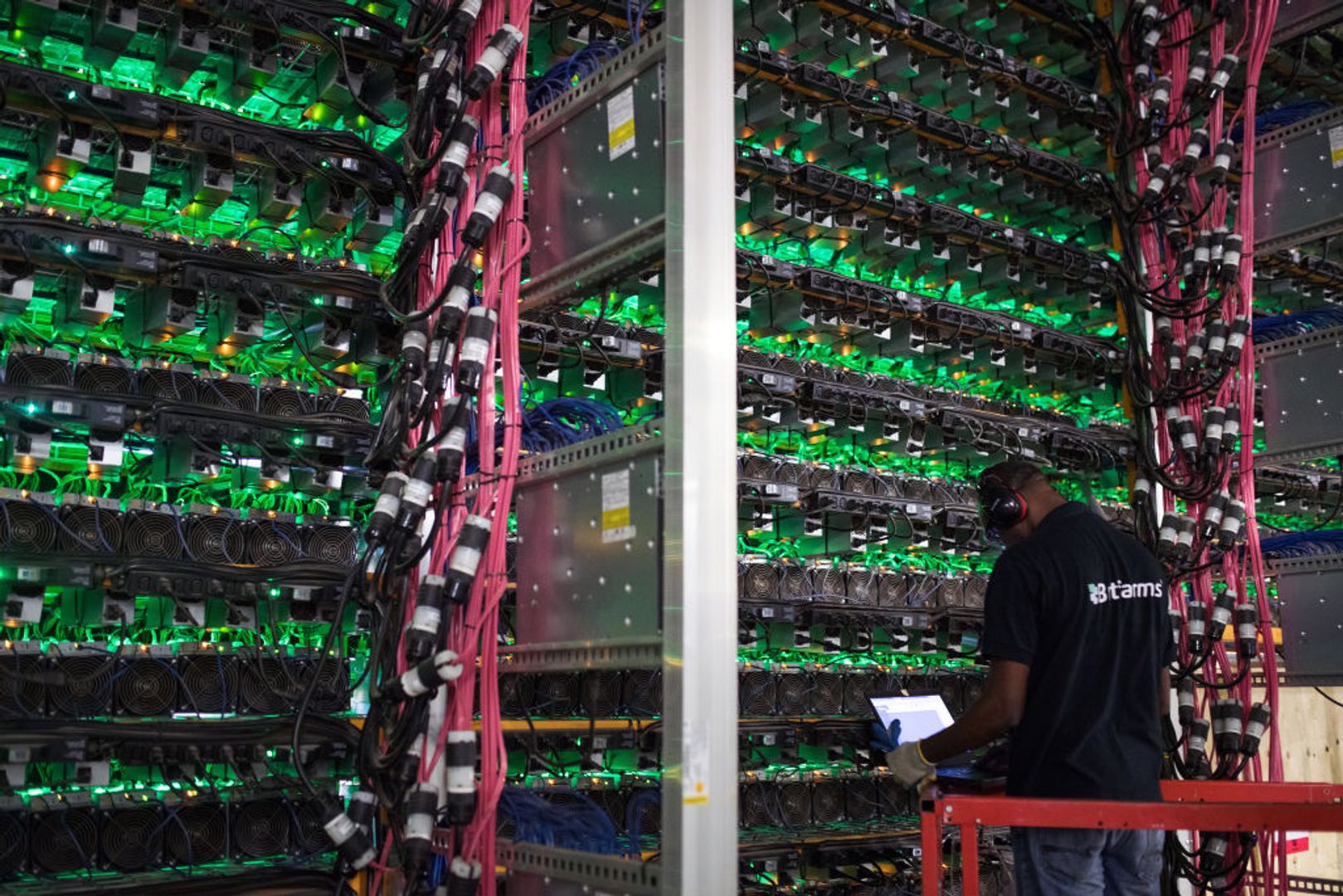
The cryptocurrency industry is experiencing a fundamental shift in capital allocation. Major mining operations are reassessing their core business models, moving away from traditional bitcoin accumulation toward infrastructure that powers artificial intelligence. This transformation signals broader market dynamics that traders and investors need to understand.
Why Mining Companies Are Abandoning Bitcoin Holdings
Historically, bitcoin miners served a dual purpose: securing the network while accumulating BTC as a treasury asset. However, AI infrastructure investments now offer superior returns compared to holding static cryptocurrency reserves. This pivot reflects changing economics in both sectors.
Mining companies recognize that:
- AI data centers generate recurring revenue streams from compute-hungry model training and inference
- GPU and specialized hardware utilization rates exceed bitcoin mining efficiency
- Enterprise customers (OpenAI, Meta, major tech firms) pay premium rates for reliable compute access
- Energy efficiency improvements in AI infrastructure outpace mining optimization
Trading Implications and Market Signals
For crypto traders, this represents a sell signal from a historically bullish demographic. Miners were traditionally the largest bitcoin hodlers and network advocates. Their capital redeployment suggests confidence in AI's near-term profitability exceeds bitcoin's appreciation potential.
Key considerations:
- Watch for miner outflows on-chain—track large wallet movements from mining pools
- Monitor bitcoin's price reaction to miner capitulation events
- Consider this bearish sentiment for BTC spot positions
- Alternative: explore correlation opportunities between AI stocks and crypto volatility
Building Trading Strategies Around Infrastructure Shifts
Automated traders should integrate on-chain analytics into their models. Miner behavior has historically preceded significant price movements. Detection algorithms monitoring:
- Large miner wallet transfers
- Mining pool consolidations
- Hash rate fluctuations
- Difficulty adjustment patterns
These signals can inform mean-reversion or momentum strategies during miner-driven volatility.
The Broader Context: Bitcoin Maturation
This shift isn't necessarily bearish for bitcoin's long-term prospects. Rather, it reflects market maturation—capital flowing toward highest-risk-adjusted returns. When miners stop accumulating, institutional buyers often step in, creating buying opportunities after initial sell-offs.
Traders should distinguish between short-term selling pressure and structural changes. Monitor whether institutional inflows replace miner outflows. This dynamic will define bitcoin's 2026 trajectory.
Action Items for Crypto Investors
Respond strategically to mining pivots:
- Set alerts for large miner wallet movements
- Rebalance positions if miner capitulation accelerates
- Track AI infrastructure stocks as indirect crypto exposure
- Dollar-cost average during selling pressure events
The cryptocurrency market rewards those who understand structural shifts before they're reflected in price discovery.