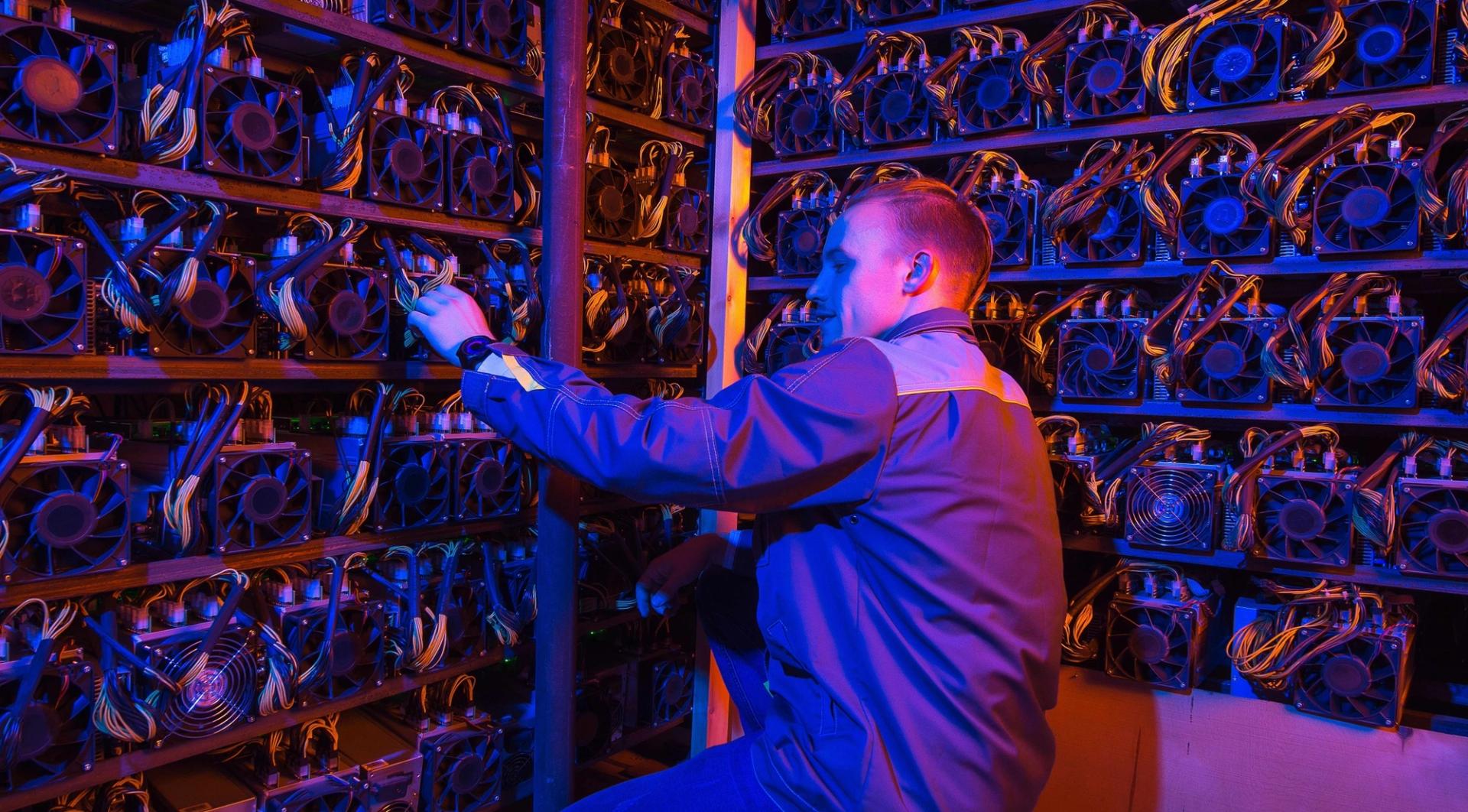
The crypto mining industry is undergoing a fundamental transformation. As production costs exceed market prices, major mining operations are making strategic pivots toward artificial intelligence infrastructure—and liquidating bitcoin holdings to fund the shift. This industrial realignment presents both risks and opportunities for traders.
The Math Behind the Pivot
The profitability crisis is real. When average production costs hit $79,995 per bitcoin while the asset trades at $70,000, mining operations face a choice: adapt or operate at a loss. This $10,000 gap represents unsustainable margins that force industry-wide strategic decisions.
Major miners are now securing approximately $70 billion in AI infrastructure contracts, treating compute power as a more reliable revenue stream than pure mining operations. This isn't temporary—it's structural repositioning.
What This Means for Bitcoin Price Action
Increased selling pressure from miners liquidating treasuries will likely create downward price pressure in the near term. However, this transition could establish a price floor: if mining becomes economically unviable below $80,000, rational operators will exit, reducing sell-side supply pressure.
Traders should monitor miner reserve levels closely. When institutional miners accumulate, they're bullish. When they liquidate, expect volatility.
Opportunities in AI-Focused Strategies
This pivot creates specific trading opportunities:
- GPU and semiconductor stocks benefit from mining operations' capital expenditure shift
- AI-focused DeFi protocols may see increased adoption as miners explore liquidity pools
- Bitcoin volatility products become more attractive given uncertain supply dynamics
- Staking and sustainable mining alternatives could gain competitive advantage
Practical Advice for Crypto Traders
Diversify your mining thesis. If you're betting on mining stocks, understand they're increasingly tech infrastructure plays, not just bitcoin exposure.
Watch treasury movements. Use on-chain analytics to track large miner wallet activity. Capitulation selling often precedes market recoveries.
Consider the long game. While short-term liquidations create noise, reducing unprofitable mining capacity ultimately benefits bitcoin's scarcity narrative.
Hedge intelligently. The transition period creates genuine uncertainty. Automated strategies tied to miner behavior could outperform traditional approaches.
The Bottom Line
Bitcoin miners becoming AI companies isn't just a headline—it's an industry structure shift with measurable trading implications. Smart traders should position for both the near-term selling pressure and the longer-term implications of reduced mining competition.