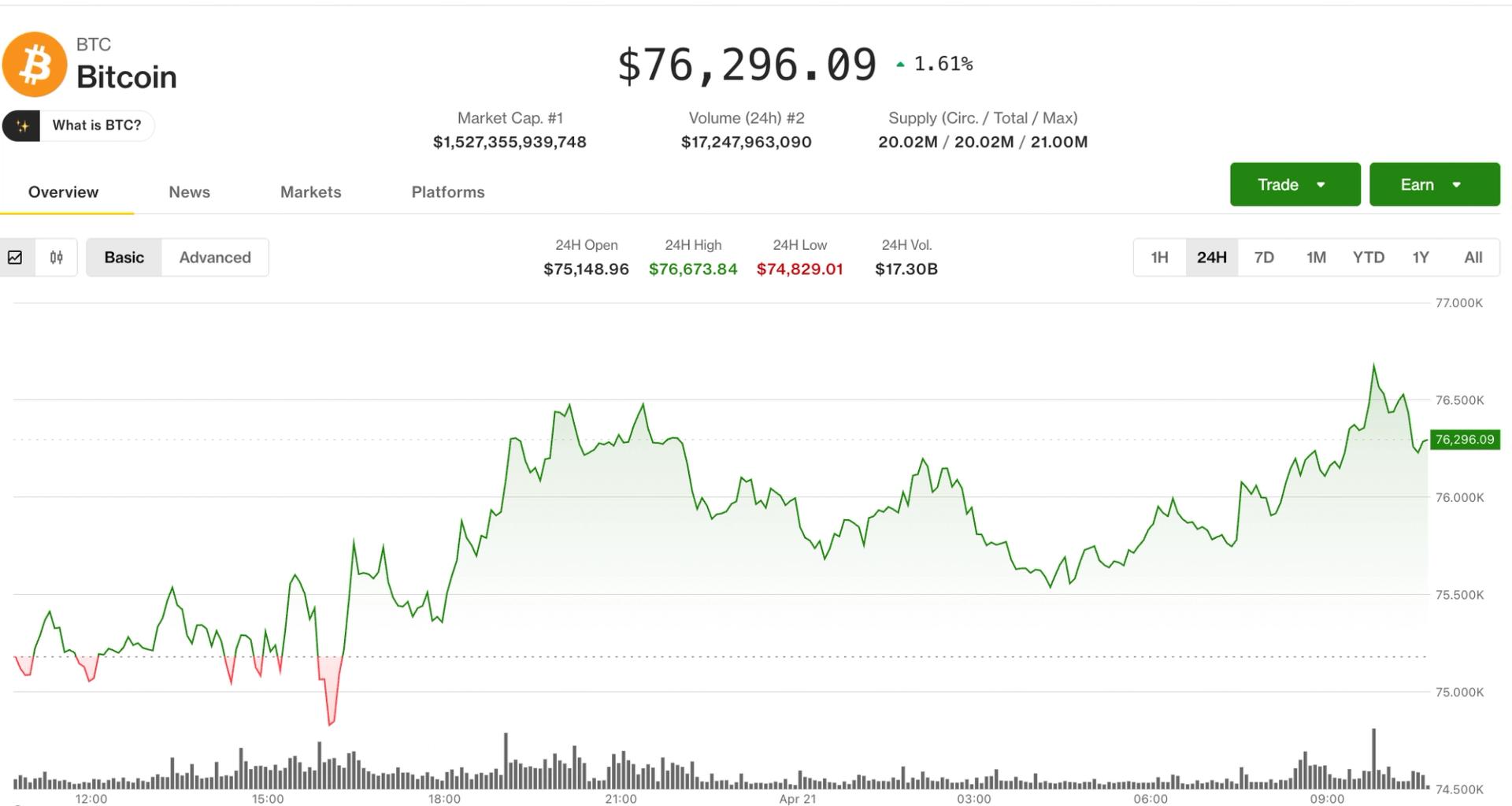
When geopolitical tensions rise and security exploits hit the headlines, cryptocurrency markets reveal their true nature: Bitcoin strengthens as a macro hedge while altcoins face the consequences of concentrated risk. Understanding this dynamic is essential for traders and those building automated trading strategies.
The Risk-On, Risk-Off Pattern in Crypto
Bitcoin's resilience during uncertainty stems from its position as digital gold. When traditional markets experience volatility or geopolitical concerns emerge, institutional investors often rotate into BTC as a lower-risk alternative within the crypto space. This flight-to-safety mechanism mirrors behavior seen in traditional markets during stock market pullbacks.
Altcoins, by contrast, face a double squeeze:
- Reduced risk appetite means traders exit speculative positions first
- Protocol-specific concerns (like DeFi exploits) compound broader market hesitation
- Lower liquidity amplifies sell pressure when sentiment shifts
DeFi Exploits and Automated Trading Strategy Implications
Recent weekend exploits highlight a critical vulnerability in AI-powered trading tools and automated strategies. Many algorithmic traders rely on historical price patterns and on-chain metrics without accounting for sudden protocol failures. This creates opportunities for sophisticated traders but risks for passive automation.
Key considerations for automated strategies:
- Smart contract risk should be a weighted factor in portfolio allocation algorithms
- Real-time security monitoring integration remains underdeveloped but essential
- Exploit-driven volatility creates flash crash risks for leveraged positions
Actionable Insights for Traders
Diversification across risk tiers matters. Bitcoin's strength during uncertainty doesn't mean ignoring altcoins—it means adjusting position sizing based on protocol maturity and security track record. Layer-1 blockchains with established security histories typically outperform emerging DeFi platforms during risk-off periods.
Monitor geopolitical calendars alongside technical indicators. Middle East tensions and macro uncertainty often precede 2-4 week cycles of reduced risk appetite. Traders using automated systems should incorporate news sentiment analysis alongside price action.
Rebalance toward quality during uncertainty. When exploits surface, it's not a sign to abandon altcoins entirely—it's a signal to rotate toward established, battle-tested protocols with strong security practices.
The Broader Picture
The current market dynamic reflects cryptocurrency maturing as an asset class. Bitcoin's climb during risk-off periods proves its thesis as a non-correlated store of value. Meanwhile, altcoin weakness after exploits demonstrates that investors increasingly differentiate between projects based on security and fundamentals.
For traders integrating AI tools or managing portfolios, the lesson is clear: context matters more than ever. Automated strategies that ignore geopolitical factors and security updates will underperform those that adapt to changing risk environments.