Market volatility tied to macroeconomic events—Fed policy shifts, geopolitical tensions, and equity market movements—continues to shape bitcoin's price action in ways that reveal critical lessons for automated trading strategies.
Understanding Multi-Market Correlation Risk
When bitcoin slides alongside the S&P 500 and Nasdaq, it signals a broader liquidity drain across risk assets. This pattern matters because:
- Traditional equity traders reduce exposure during uncertainty
- Leveraged positions across asset classes unwind simultaneously
- Risk parity funds rebalance aggressively, selling winners (sometimes including crypto)
Traders relying on crypto-only trading signals may miss these macro headwinds entirely.
The Fed Confirmation Hearing Effect
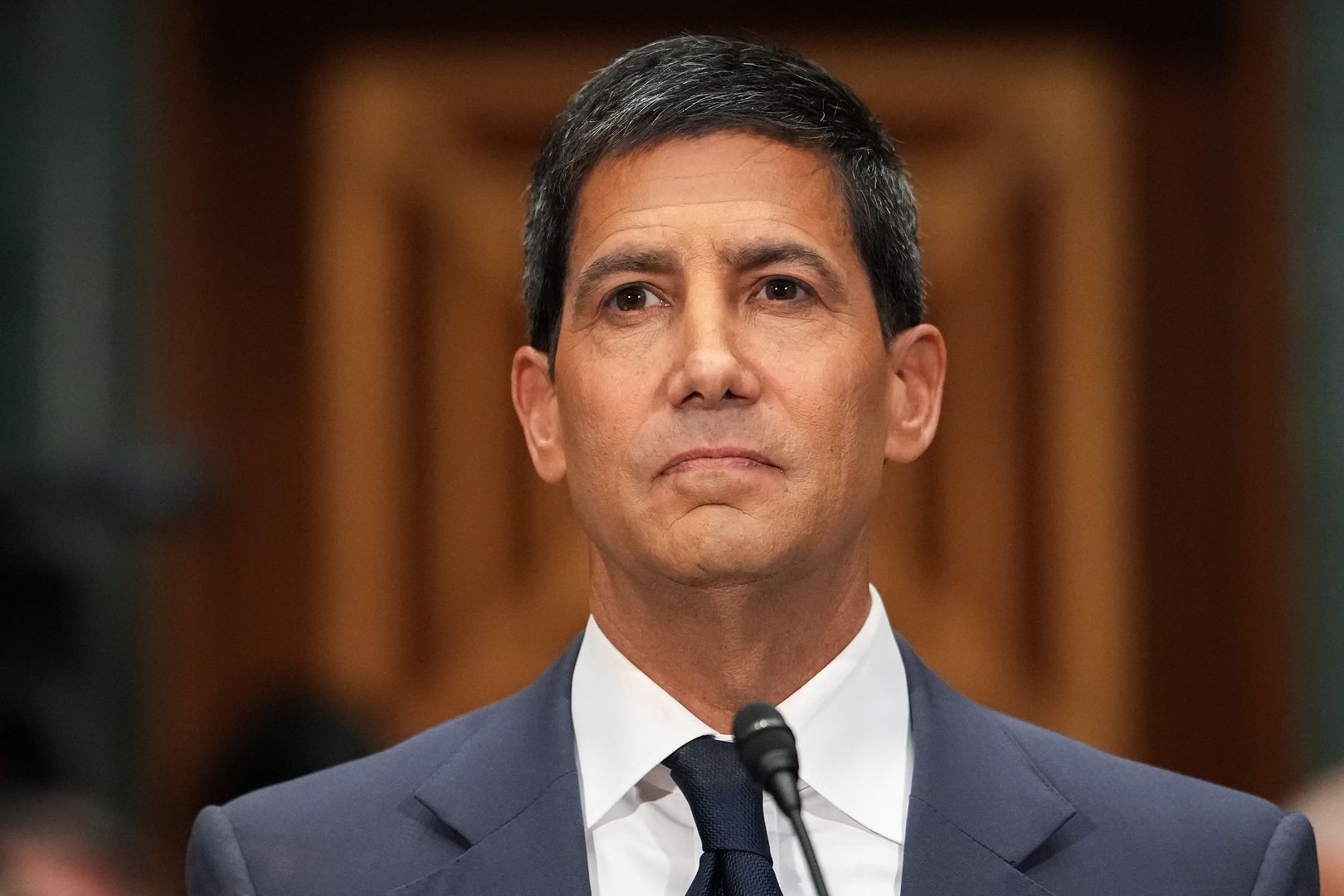
Central bank leadership changes create immediate uncertainty about monetary policy direction. When Fed Chair nominees testify before Congress, markets reassess inflation expectations and interest rate forecasts. This directly impacts bitcoin's valuation because:
Bitcoin benefits from lower real rates and institutional risk appetite. Hawkish commentary signals tighter conditions ahead, reducing both demand for inflation hedges and appetite for speculative assets.
Smart traders monitor Senate hearings as leading indicators—not just price action alone.
Geopolitical Escalation and Safe-Haven Shifts
Stalled U.S.-Iran talks add friction to energy markets and fuel uncertainty premiums. Paradoxically, this should benefit bitcoin as a geopolitical hedge, yet the opposite happened here. Why?
Because immediate risk-off sentiment overrode long-term hedge demand. When investors panic, they liquidate everything—including supposed safe havens—to raise cash. Only after volatility settles do safe-haven narratives resurface.
Practical Strategies for Algorithm-Based Trading
Automated systems should incorporate:
- Multi-asset correlation filters: Reduce position sizes when equities weaken sharply
- Macro event calendars: Lower leverage ahead of Fed communications and geopolitical headlines
- Volatility regime detection: Switch from momentum strategies to mean-reversion during macro shocks
- Liquidity monitoring: Track order book depth across exchanges—macro events compress liquidity
Support Levels and Entry Discipline
The $75,000 test represents a critical support zone. Rather than panic-selling, disciplined traders should:
- Identify their macro conviction (is this temporary or structural?)
- Scale positions instead of going all-in or all-out
- Set alerts for both breakdown and breakout scenarios
- Avoid averaging down without understanding the triggering catalyst
The Bottom Line
Bitcoin's relationship with traditional markets and macroeconomic events is undeniable. Successful traders blend price action with policy awareness, recognizing that pure technical analysis misses the forest for the trees. In 2026 and beyond, the winners will be those integrating news flow, Fed calendars, and geopolitical risk into their execution logic.