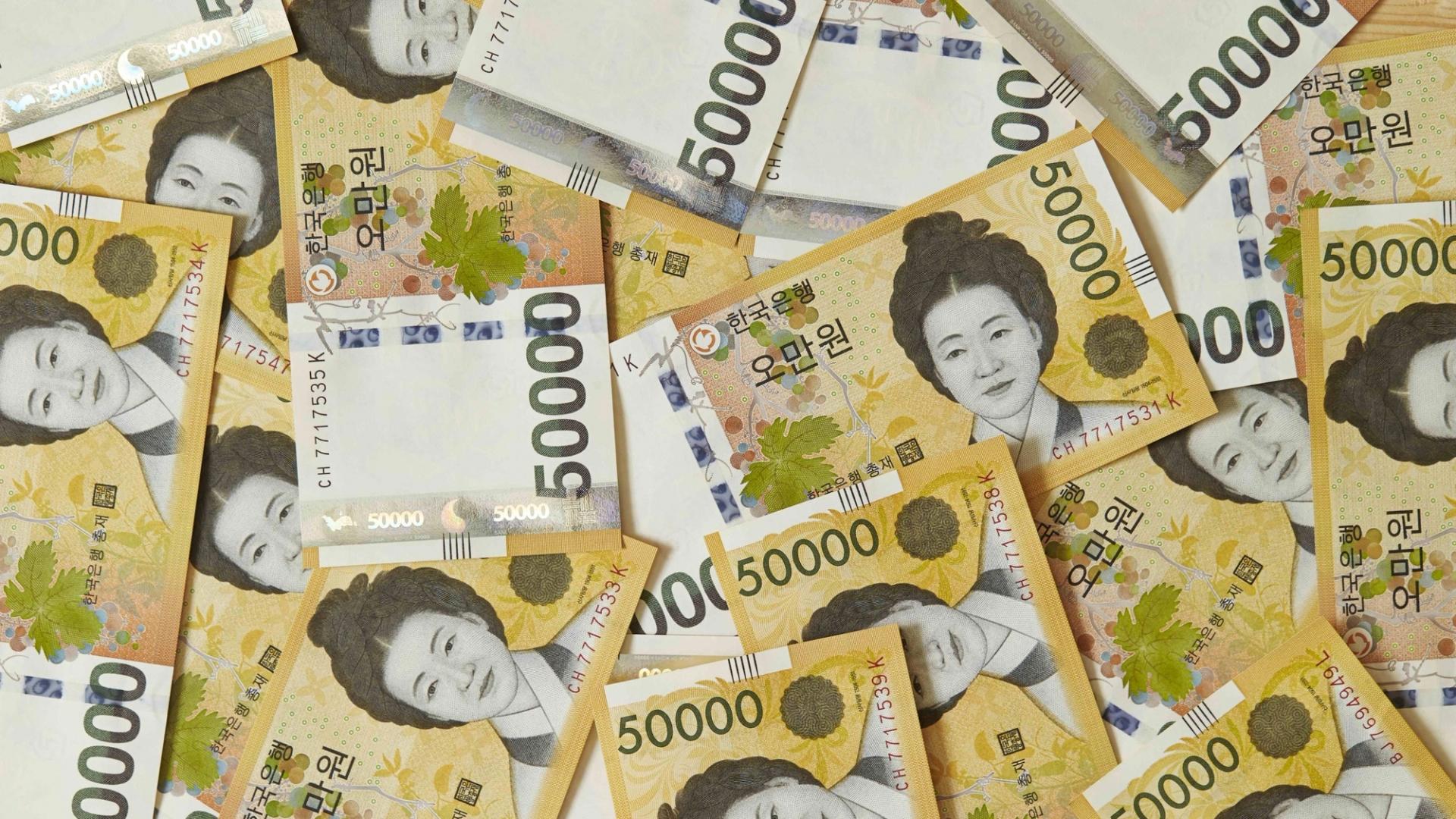
South Korea's central bank is charting a new course that will reshape how traders and automated systems interact with digital assets. The shift toward central bank digital currencies (CBDCs) and bank-issued tokens—while deliberately sidestepping stablecoins—signals a pivotal moment for cryptocurrency markets and the tools that trade them.
The CBDC and Bank Token Divergence
The Bank of Korea's strategic pivot away from stablecoins toward institutional digital assets represents a fundamental rejection of decentralized finance models. This matters because:
- CBDCs are state-controlled, creating predictable regulatory pathways
- Bank tokens maintain institutional oversight and audit trails
- Stablecoins face indefinite uncertainty in South Korea's regulatory framework
For traders using AI-powered bots and automated strategies, this creates a critical distinction: regulated digital assets will increasingly dominate South Korean trading volumes, while stablecoin pairs may become less liquid and riskier.
Implications for Automated Trading Systems
Algorithmic traders must recalibrate their strategies around this regulatory reality:
Market Liquidity Shifts: Trading bots optimized for stablecoin arbitrage will need to pivot toward won-denominated CBDC pairs. Expect migration of volume from decentralized exchanges to regulated institutional platforms.
24-Hour FX Trading: The modernization of currency markets for round-the-clock foreign exchange trading opens new opportunities for automated forex strategies tied to digital currencies. Traders should prepare systems for extended trading windows and reduced spreads.
Increased Scrutiny Risk: The BOK's commitment to heightened crypto market surveillance means regulatory compliance becomes a competitive advantage. Automated traders must ensure their algorithms include KYC/AML integration and real-time compliance monitoring.
Strategic Recommendations for Traders
- Diversify away from stablecoin-dependent strategies in South Korean markets within the next 12-18 months
- Build CBDC trading infrastructure now—early adopters of regulated digital asset trading will capture first-mover advantages
- Monitor non-bank finance scrutiny closely; DeFi strategies involving Korean users face increased regulatory pressure
- Leverage 24-hour FX trading for new arbitrage opportunities between Asian markets and traditional forex pairs
The Broader Crypto Market Impact
South Korea represents 3-5% of global crypto trading volume. A shift from decentralized stablecoins to regulated CBDCs and bank tokens will accelerate institutional adoption while potentially reducing retail participation in unregulated DeFi protocols.
Traders should view this not as a setback but as maturation of the market. The future belongs to those who build automated systems that thrive within institutional regulatory frameworks rather than around them.