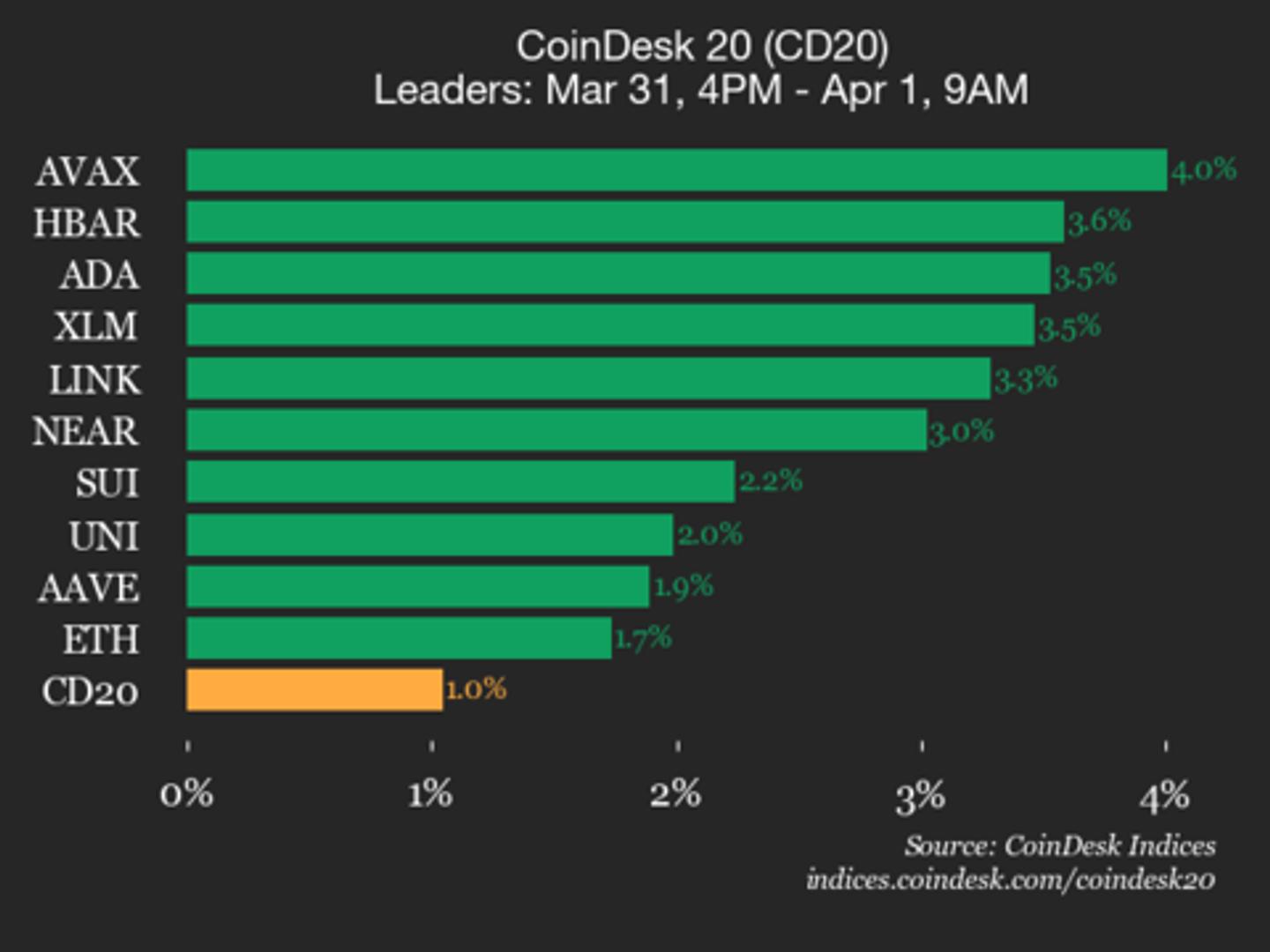
Recent price movements in layer-1 blockchain tokens reveal important patterns for crypto traders and automated trading systems. When established projects like Avalanche (AVAX) and Hedera (HBAR) show synchronized gains, it signals broader market confidence in infrastructure-layer solutions—a trend that deserves closer analysis.
Understanding Infrastructure Token Strength
Layer-1 blockchains are experiencing renewed interest from both retail and institutional investors. AVAX's 4% gain alongside HBAR's 3.6% increase suggests that market participants are rotating capital toward proven blockchain networks. This isn't random movement—it reflects strategic positioning in projects with established ecosystems and real transaction volume.
For traders using automated trading bots and AI-powered analytics, these correlated movements offer valuable insights. When multiple infrastructure tokens move together, it often indicates:
- Institutional capital flows into the sector
- Reduced perceived risk in established L1 solutions
- Potential oversold conditions in altcoins being corrected
- Shift away from speculative microcaps toward fundamentals
Implications for DeFi and Trading Strategies
Both AVAX and HBAR power significant DeFi ecosystems with distinct competitive advantages. Avalanche operates numerous DEXs and lending protocols, while Hedera's hashgraph consensus brings institutional-grade security. Their synchronized strength suggests that algorithmic traders should monitor cross-chain DeFi metrics—total value locked (TVL), transaction costs, and active users across each network.
Automated trading systems can capitalize on this by:
- Setting conditional alerts when infrastructure tokens diverge from their correlation baseline
- Tracking TVL changes as leading indicators for future price movements
- Analyzing gas fee trends as demand signals
- Identifying arbitrage opportunities between layer-1 DEXs
Actionable Trading Insights
Risk-conscious traders should recognize this as a sector signal, not individual token endorsement. When multiple L1s gain together, it typically precedes either sustained bull runs or sharp corrections. The key is monitoring what follows: do altcoins continue outperforming, or does capital consolidate further into these safe-haven tokens?
Set your automated strategies to track the broader CoinDesk 20 index alongside individual holdings. When infrastructure tokens lead, rebalancing toward proven ecosystems often outperforms concentrated altcoin bets over medium-term timeframes.
The real opportunity lies not in chasing the immediate gains, but in understanding the capital flow mechanics driving them. That's where sustainable trading edge resides.