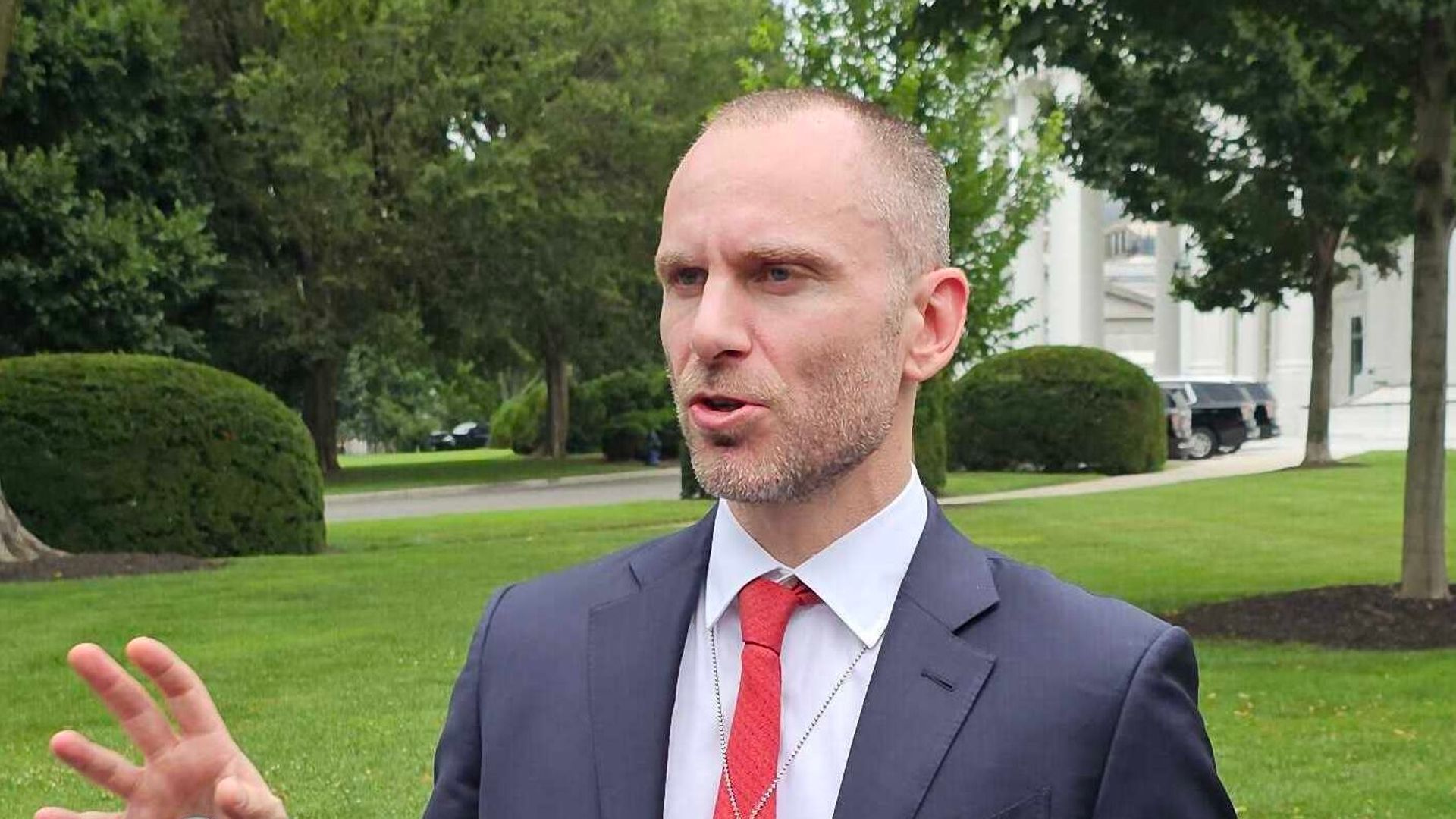
The recent federal court decision temporarily blocking Arizona from pursuing enforcement actions against Kalshi marks a significant moment in the evolving relationship between state regulators and crypto prediction markets. This ruling has immediate implications for traders, platform developers, and anyone exploring automated trading strategies.
Understanding the Regulatory Landscape Shift
Kalshi operates as a prediction market platform, allowing users to trade contracts based on future outcomes. The court's intervention suggests that state-level regulatory attempts may face constitutional or federal jurisdiction barriers. For traders, this signals an important trend: federal courts increasingly favor streamlined regulatory frameworks over fragmented state approaches.
What This Means for Automated Trading
Prediction markets and derivatives platforms rely heavily on algorithmic trading and automated execution. When regulatory uncertainty clouds a platform's operational status, it directly impacts:
- Liquidity conditions for position entry and exit
- API reliability for automated bot deployment
- Smart contract integrations with prediction market protocols
- Compliance costs that affect trading fee structures
The Arizona block removes at least one regulatory overhang, potentially stabilizing trading conditions.
Practical Insights for Crypto Traders
Monitor state-level regulatory challenges: This ruling demonstrates that federal courts may intervene when states attempt aggressive enforcement. Traders should watch for similar cases in other jurisdictions, as outcomes could create arbitrage opportunities across different platforms and jurisdictions.
Consider platform stability: When platforms face regulatory pressure, withdrawal delays and trading restrictions often follow. The Kalshi ruling provides temporary relief, but traders should maintain diversified platform access and avoid concentrating positions on single exchanges during regulatory uncertainty.
Evaluate automated strategies carefully: If you're running bots on prediction markets, jurisdiction matters. A platform operating legally in one state but blocked in another affects your potential user base and liquidity pools.
Forward-Looking Strategy
Expect continued federal intervention: As states attempt piecemeal regulation of crypto and prediction markets, federal courts will likely continue establishing national standards. This creates a more predictable long-term environment than state-by-state uncertainty.
Traders should view regulatory clarification—even temporary injunctions—as positive developments for market maturity. Clearer rules, even restrictive ones, beat ambiguous enforcement environments.
Key Takeaways
The Kalshi ruling represents a victory for platform continuity and regulatory federalism. For traders, this means:
- Reduced platform operational risk in the short term
- Signals that federal jurisdiction will likely govern national crypto markets
- Opportunity to develop strategies before the regulatory framework fully crystallizes
Stay informed about ongoing regulatory battles and adjust your risk management accordingly.